
How Neuroplasticity Can Improve Your Health and Wellbeing
Key Takeaways
- Neuroplasticity lets your brain reorganize connections throughout your life.
- Specific daily activities can boost brain function and mental health.
- Physical exercise, mindfulness, and cognitive training are proven to enhance neuroplasticity.
- Regular engagement in these activities promotes resilience and long-term brain health.
- Supporting the brain with a healthy lifestyle maximizes its adaptive power.
Neuroplasticity, the brain’s remarkable ability to adapt and reorganize itself, offers powerful opportunities for improving health and wellbeing. By learning how to leverage neuroplastic principles, individuals can support their cognitive function, recover from injuries, and experience notable improvements in mental health. Healthcare practices incorporating neuroplasticity, such as Integrative Chiropractic, are helping people unlock the brain’s potential for positive change. Whether you are seeking ways to boost your brainpower, rebuild after an injury, or sustain robust mental wellness, understanding neuroplasticity can be transformative. With the right daily routines and intention, you can actively shape your brain’s health regardless of age.
Understanding Neuroplasticity
Neuroplasticity is the biological process that enables the brain to form and reorganize synaptic connections in response to learning, experience, and, sometimes, injury or disease. This adaptability provides a foundation for acquiring new skills, building memories, and healing after neurological trauma. Neuroplasticity remains active throughout a person’s life, which means it is never too late to support your brain’s capacity to evolve. As new experiences challenge the brain, it rewires itself by strengthening or creating new neural pathways. This not only boosts intellectual and creative abilities but can also help the brain recover functions lost to injury or illness. Practices that actively stimulate neuroplastic change hold promise for people of all ages and health backgrounds.
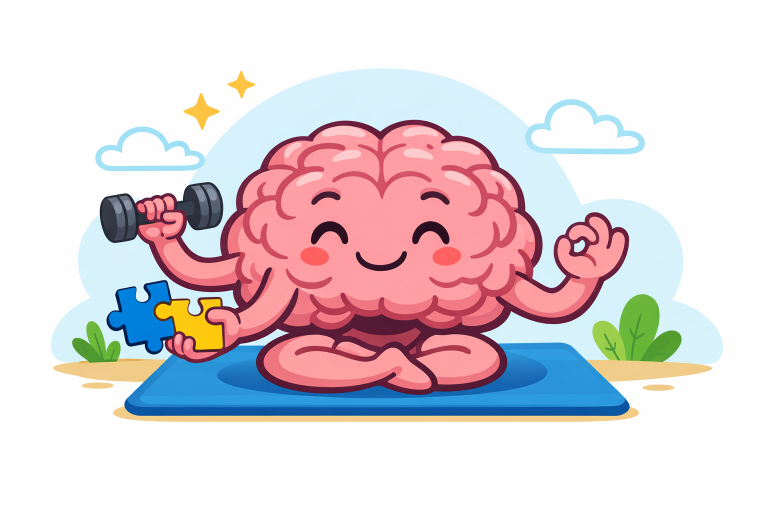
Activities That Enhance Neuroplasticity
Daily routines have a significant impact on the brain’s ability to rewire itself. Three of the most effective activities for boosting neuroplasticity are:
- Physical Exercise: Engaging regularly in aerobic activity has been linked to increased neurogenesis (the growth of new brain cells), improved blood flow, and better cognitive performance. For example, a recent Harvard Health Publishing feature emphasizes that activities like walking, running, and cycling help the brain stay healthy and sharp.
- Meditation and Mindfulness:Mindfulness practices such as meditation can provoke fundamental changes in neural activity and even the brain’s physical structure, supporting better mood regulation and focus. Evidence from Harvard Health Publishing shows that even short-term mindfulness routines can enhance neuroplasticity and promote mental wellness.
- Cognitive Training: Computerized brain-training exercises, puzzles, and learning new skills regularly challenge the mind, rebuilding neural connections and improving processing speed. These cognitive interventions are especially powerful for those recovering from brain injuries.
Physical Exercise and Brain Health
Physical activity does more than strengthen the body. Studies continue to show that aerobic exercise boosts cognitive function, improves learning and memory, and supports the growth of new neurons. According to a National Institutes of Health resource, people who remain physically active tend to have lower risks for dementia and age-related mental decline. Regular exercise delivers vital nutrients and oxygen to the brain, laying the groundwork for positive neuroplastic change. Additionally, group exercises or movement-based hobbies can boost neuroplasticity through social interaction and increased motivation. Activities like dance, group sports, or martial arts not only stimulate the brain through coordinated movement but also help improve mood by engaging the reward centers through connection with others. Research demonstrates that learning new motor skills or sports also helps build new neural circuits, offering a double benefit for brain health and emotional wellbeing.
Meditation’s Impact on the Brain
Mindfulness and meditation routines have been linked to increased neuroplasticity, creating more resilient and adaptive brains. Research indicates that just one week of focused meditation can lead to enhanced brain signaling, improved efficiency, and even a measurable boost in immune health. Structural changes from mindful practices can lead to better attention, emotional balance, and greater capacity to handle life’s stressors. Different styles of meditation—from guided imagery to loving-kindness or focused breathing—can all stimulate neuroplasticity in unique ways. When practiced regularly, these methods nurture the prefrontal cortex and hippocampus, areas crucial for memory, decision-making, and emotional regulation. Over time, the positive effects of meditation can accumulate, making the brain more adaptable and less reactive to negative or stressful situations.
Cognitive Training for Recovery
For those facing the challenge of brain trauma or injury, targeted cognitive exercises are critical. Brain-training interventions have been shown to help patients regain lost abilities and improve the speed and quality of neural communication. Whether used for injury recovery, to delay cognitive decline, or to enhance mental agility, these exercises stimulate brain plasticity to help rebuild mental capacities. It’s important to note that cognitive training is not limited to formal exercises or therapy sessions. Everyday activities such as learning a musical instrument, practicing a new language, or engaging in creative arts can all activate the brain’s ability to form new connections. The more novelty and challenge introduced to daily habits, the more robust the neural adaptations become, helping individuals maintain sharpness and adaptability well into later years.
Implementing Neuroplasticity-Enhancing Practices
Maximizing your neuroplastic potential can be achieved through simple, consistent routines. Here’s how to get started:
- Commit to regular aerobic exercise (walking, swimming, cycling) for 30 minutes per day at least five times a week.
- Dedicate time each day to mindfulness or meditation practices to cultivate mental clarity.
- Introduce brain challenges like puzzles, learning a new language, or other cognitively demanding tasks.
- Follow a balanced diet rich in nutrients that promote brain health, such as omega-3 fatty acids, fruits, and vegetables.
- Protect your sleep, ensuring the brain gets enough rest for neuroplastic repair and growth.
It is also wise to regularly evaluate and adjust your lifestyle habits. Track your progress and observe which neuroplasticity-promoting routines give you the most noticeable benefits. Staying curious and open to new experiences not only makes life more interesting but also strengthens your brain’s adaptive and learning capabilities. Support from professionals, such as integrative health practitioners, can help tailor these habits to your unique circumstances and goals.
Conclusion
Neuroplasticity offers hope and possibility for enhancing every stage of life. By incorporating exercise, mindfulness, and cognitive challenges, you can take control of your brain health and wellbeing. The rewards include greater resilience, faster recovery from setbacks, and a lifetime of cognitive vitality. Adopting neuroplasticity-promoting habits today will help secure better brain health and overall quality of life for years to come. Embracing the science of neuroplasticity is a celebration of the brain’s endless capacity for renewal. No matter your age or background, even small changes can make a big difference. Commit to practices that spark your interest and push your intellectual boundaries, and you’ll be taking purposeful steps toward a smarter, stronger, and more adaptable mind.
- What Does “Relationship No” Mean and Why Does It Happen?
- Why Is a Relationship So Hard? Understanding Love, Conflict, and Emotional Connection
- I’m Not Ready for a Relationship But I Like Her: What It Means and What to Do
- How to Get the Spark Back Into Your Relationship: A Practical Guide for Couples
- How to Survive Long Distance?A Practical Guide to Keeping Your Relationship Strong